Snapshot
Platform: iOS Native App + Vyking SDK
Timeline: 3-day hackathon concept → 2-week Production POC → 1-month live experiment
Role: Product Lead
Scope: Validate whether virtual try-on could reduce size-driven returns and improve purchase confidence during peak COVID digital growth.
The Context
During COVID, digital sales volume doubled almost overnight.
Returns scaled with it.
Customers were routinely ordering the same shoe in multiple sizes, colors, and styles. They were intending to return what didn’t fit. What had previously been an edge case became normalized behavior.
The impact:
Artificially inflated revenue forecasts
Inventory distortion affecting brand purchasing decisions
Increased reverse logistics cost
Operational burden across supply chain and warehouse teams
With stores closed, there was no physical try-on alternative.
The online experience had no mechanism to bridge the purchases confidence gap.
The Problem
User interviews and behavioral data revealed:
Return rate from digital orders approached ~40%
~60% of those returns were size-driven multi-orders
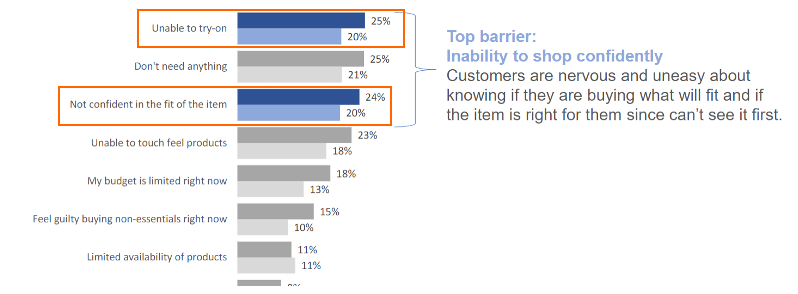
Nearly half of users cited “fit uncertainty” as a barrier to online purchases
One user summarized it clearly:
“Shoes are a big challenge when ordering online… fit can vary. In store, someone helps you choose. Online, you just guess, so you order multiple sizes.”
Returns were no longer just operational noise. They were a symptom of missing product confidence.
Strategic Hypothesis
Instead of optimizing return processing, I asked myself: What if we could prevent the over-ordering behavior entirely?
Hypothesis:
If we implement virtual try-on (starting with shoes) and enable 3D visualization, we can:
Increase purchase confidence
Reduce multi-size over-ordering
Improve conversion in a high-return category
Reduce downstream operational strain
Success would be measured by:
Conversion
- Add-to-bag rate
- Purchase rate
Revenue
- Average revenue per product
- Category revenue lift
Operational
- Reduction in return rate
Retention
- Repeat purchase behavior among feature users
Prioritization & Scope Discipline
Virtual try-on is complex. Scaling it requires:
3D product capture processes
Ongoing asset storage and management
Integration with supply chain workflows
Potential body measurement modeling
Rather than overbuild, I structured the initiative as a staged validation.
Decisions:
Focus exclusively on shoes (highest return driver)
Integrate an SDK partner with existing 3D inventory coverage (Vyking)
Launch on iOS only (capturing the majority of the user base + fastest native integration)
Use existing partner assets to eliminate internal operational dependencies
This allowed us to test the behavioral hypothesis without committing to long-term infrastructure cost.
The goal was proof. Not perfection.
Experience Design
We implemented:
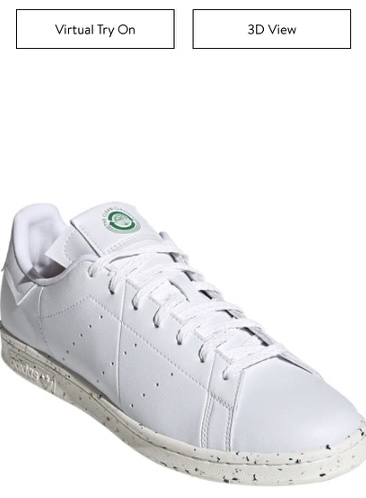
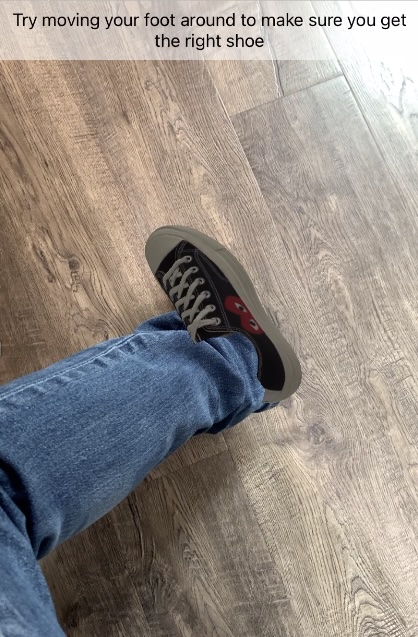
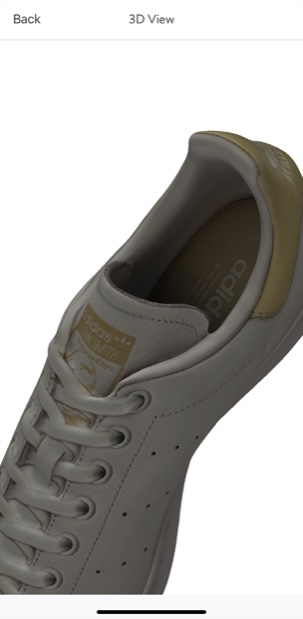
Virtual try-on within product detail pages
3D model interaction inside the image gallery
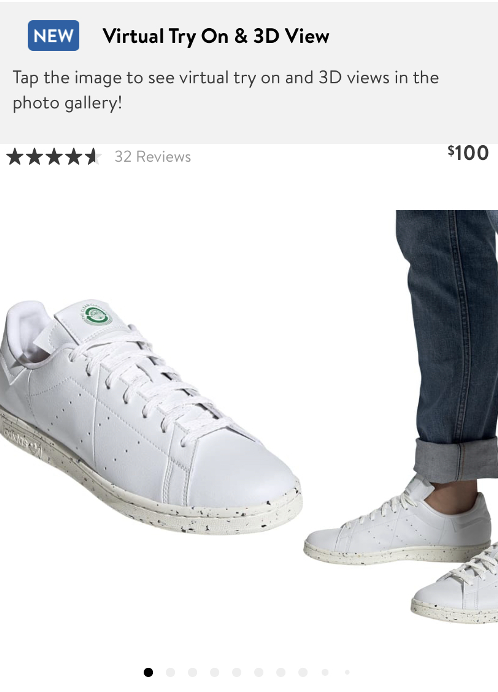
Clear feature signaling via banners and gallery CTAs
No new flows. No new complexity. Just contextual enhancement at the moment of decision.

Release & Experimentation Framework
Only ~40 shoe models were available within the POC.
To ensure signal integrity:
50% of users viewing eligible models saw the standard experience (control)
50% saw virtual try-on + 3D visualization enabled (variant)
We kept the experiment live for over a month to reach statistical significance.
This approach ensured:
Clean measurement
Risk mitigation
Isolated category impact
What We Learned
Revenue Impact
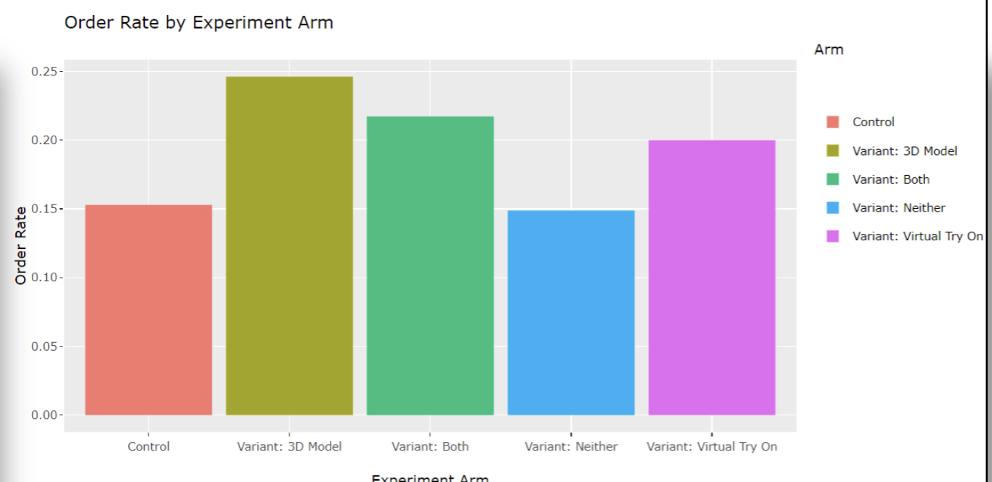
- +4% revenue lift on eligible shoe models
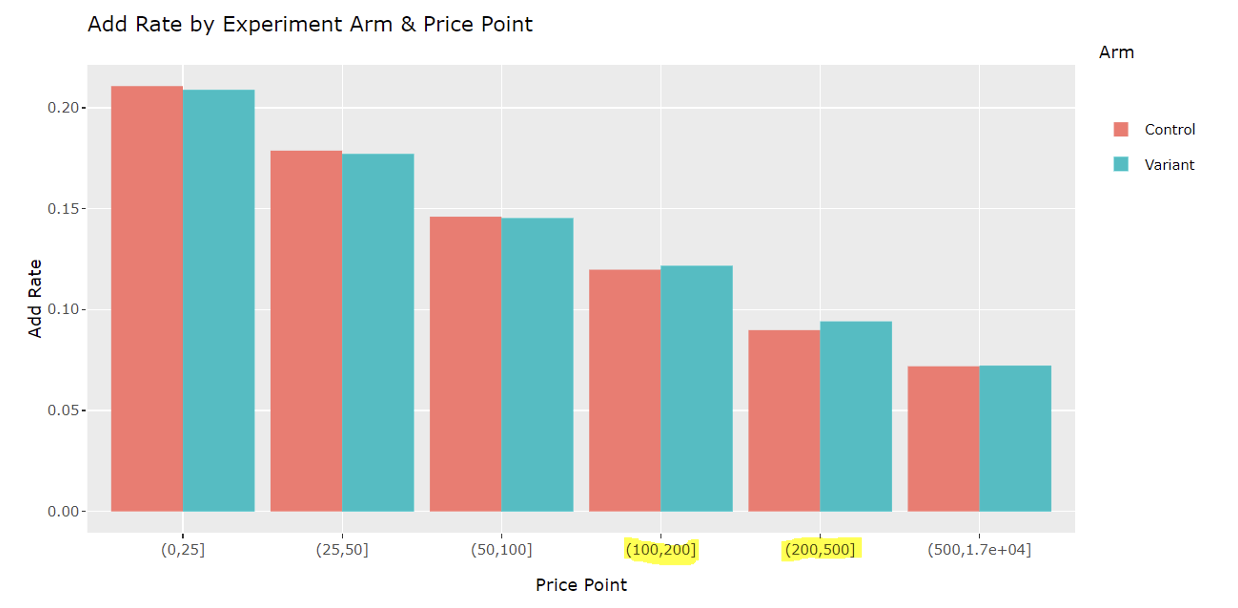
- Users demonstrated increased willingness to purchase higher price-point models
- Order rate increased 4x vs control when users engaged with 3D visualization
Retention
- +1% retention lift among users who engaged with the feature
Returns
- No statistical significant reduction in return rate
Strategic Outcome
The initiative succeeded in increasing revenue and engagement.
However:
When extrapolated across the category, the incremental revenue lift did not offset:
Technology licensing cost
Operational burden of scaling 3D capture
Decision: Pause scaling.
The hypothesis around confidence and premium model conversion was validated. The operational economics were not yet viable.
The feature was later reintroduced when 3D capture costs decreased and infrastructure matured.
Key Takeaways
- Features built to solve one problem may unlock value elsewhere.
- Revenue uplift does not automatically justify operational complexity.
- Structured experimentation prevents expensive scaling mistakes.
- Category-level economics must validate product innovation.
Most importantly:
We moved from assumption to measurable evidence in under one month.
If You’re in Retail E-commerce
If rising returns, margin compression, or customer hesitation are impacting your growth, the solution may not be post-purchase optimization.
It may be confidence design upstream.
If you want a structured experimentation plan you can launch within weeks, without overbuilding or overcommitting:
Let’s define your next steps.